

Table of Contents
- Key Takeaways for Securing Gates Foundation Grants in 2026
- Introduction: Navigating the Gates Foundation's 2026 Funding Priorities
- Understanding the Gates Foundation's 2026 Funding Landscape and Strategic Outlook
- Strategic Priorities: AI Health Initiatives and Global Impact
- Key AI Health Focus Areas for Gates Foundation Funding
- Strategic Priorities: Climate Technology Investments via Breakthrough Energy Ventures
- Key Climate Technology Sectors for Breakthrough Energy Ventures Investment
- How Bill Gates' Investment Strategy Differs from Traditional Venture Capital
- Bill Gates' Investment Strategy vs. Traditional Venture Capital
- Navigating the Gates Foundation Grant Application Process in 2026
- Key Steps in the Gates Foundation Grant Application Process
- FAQ
- Limitations and Alternatives in Securing Funding for Global Impact
- Conclusion: Your Strategic Path to Gates Foundation Funding
- References
Key Takeaways for Securing Gates Foundation Grants in 2026
The Gates Foundation in 2026 prioritizes grant funding for innovative climate technology and AI health initiatives, driven by a recent $1 billion pledge to expand AI access globally. Successful applicants must align their proposals with the Foundation’s long-term, impact-driven philosophy, focusing on solutions that address critical global challenges in health, agriculture, and education. Strategic engagement requires a deep understanding of specific program areas, such as Breakthrough Energy Ventures for climate tech, and a commitment to measurable, sustainable outcomes, which fundamentally differentiates this funding from traditional venture capital.
Introduction: Navigating the Gates Foundation’s 2026 Funding Priorities
Securing funding from the Gates Foundation in 2026 requires a strategic understanding of its evolving philanthropic and investment landscape. This is because the Foundation, under the leadership of Bill Gates, consistently adapts its focus to address the world’s most pressing challenges. Consequently, a significant emphasis has emerged on climate technology and AI health, driven by the recognition that these sectors offer transformative potential for global well-being. This article provides a comprehensive roadmap for potential grantees, detailing the Foundation’s strategic priorities, application processes, and the distinct investment philosophy that underpins its initiatives, thereby enabling applicants to align their proposals for maximum impact and success.
Understanding the Gates Foundation’s 2026 Funding Landscape and Strategic Outlook
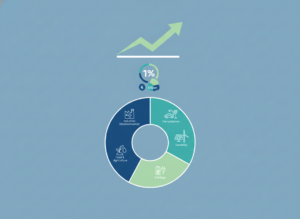
The Gates Foundation’s funding landscape in 2026 is significantly shaped by its recent pledge of at least $1 billion over the next two years to expand access to artificial intelligence, with 40% specifically allocated to healthcare and 40% to education. This commitment directly impacts grant opportunities, as it signals a clear strategic pivot towards leveraging AI as a critical tool for global development. Consequently, organizations proposing AI-driven solutions for health workers, farmers, and teachers, including those in U.S. classrooms, are positioned favorably, because the Foundation aims to accelerate progress against child mortality, poverty, and disease through these technological advancements.
This substantial investment underscores the Foundation’s belief that AI will revolutionize global health and climate resilience, resulting in a more focused grant application process. The Foundation’s strategic outlook is therefore not merely about funding technology, but about deploying it to solve systemic global problems, which means proposals must demonstrate a clear pathway to scalable impact. This approach is consistent with the Foundation’s long-standing mission to reduce inequity, driven by a comprehensive understanding of how technology can bridge existing gaps in access and resources. Potential grantees must align their proposals with this overarching vision, demonstrating how their initiatives will contribute directly to measurable improvements in these critical areas, thereby securing the attention of the Gates Foundation.
Strategic Priorities: AI Health Initiatives and Global Impact
The Gates Foundation’s AI health initiatives are strategically designed to address critical global health disparities, driven by the understanding that AI can significantly enhance diagnostic capabilities, treatment efficacy, and public health interventions. This focus is directly influenced by the Foundation’s $1 billion AI pledge, which earmarks 40% of its allocation specifically for healthcare applications. Consequently, key areas for funding include the development of AI tools that support frontline health workers in low-resource settings, improve disease surveillance and outbreak prediction, and personalize treatment protocols for conditions like tuberculosis and malaria.
The impact of these initiatives is profound, as AI-powered solutions can dramatically reduce diagnostic delays and improve access to quality care in underserved communities, which directly contributes to accelerating progress against child mortality and disease. For instance, AI algorithms are being developed to analyze medical images more efficiently, resulting in earlier detection of conditions that would otherwise be missed. Furthermore, the Foundation supports projects leveraging AI for drug discovery and vaccine development, recognizing that these advancements can lead to more rapid and effective responses to global health crises. Organizations seeking funding must therefore demonstrate how their AI health solutions offer scalable, equitable, and evidence-based approaches that align with these specific strategic priorities, thereby maximizing their potential for securing grants.
Key AI Health Focus Areas for Gates Foundation Funding
- AI tools for frontline health workers in low-resource settings, improving diagnostics and patient management.
- Advanced AI for disease surveillance and outbreak prediction, enhancing global health security.
- Personalized treatment protocols for infectious diseases (e.g., TB, malaria) using AI to optimize outcomes.
- AI-driven solutions for medical imaging analysis, accelerating early disease detection.
- Application of AI in drug discovery and vaccine development, leading to faster innovation.
Strategic Priorities: Climate Technology Investments via Breakthrough Energy Ventures
Breakthrough Energy Ventures (BEV) serves as Bill Gates’ primary investment vehicle for advancing climate technology, embodying a strategic commitment to achieving net-zero emissions by 2050. This is because BEV focuses on funding foundational technologies that are critical for decarbonizing five key sectors: electricity, manufacturing, agriculture, transportation, and buildings. Consequently, the investment strategy prioritizes innovations that demonstrate significant potential for reducing greenhouse gas emissions on a global scale, rather than incremental improvements. The impact of this targeted approach is the acceleration of groundbreaking climate solutions that often require substantial capital and long development timelines. Insights into these investment areas are further detailed on billgates.pk – Climate Tech and AI Health Investing.
BEV’s investment philosophy is driven by the ‘Green Premiums’ concept, which identifies the additional cost of clean alternatives over fossil-fuel-based options, resulting in a focus on technologies that can eventually become cost-competitive. Therefore, successful climate tech proposals must address these high-impact sectors and offer solutions that are both technically viable and economically scalable. For example, BEV actively supports advancements in long-duration energy storage, sustainable aviation fuels, and precision agriculture, which are crucial for systemic change. Organizations aligning with these specific areas and demonstrating a clear path to market adoption are most likely to attract investment from Breakthrough Energy Ventures, thereby contributing directly to global climate goals.
Key Climate Technology Sectors for Breakthrough Energy Ventures Investment
- Electricity: Long-duration energy storage, advanced nuclear, geothermal power.
- Manufacturing: Green steel and cement, industrial decarbonization processes.
- Agriculture: Sustainable fertilizers, alternative proteins, precision agriculture technologies.
- Transportation: Sustainable aviation fuels, electric heavy-duty vehicles, advanced battery tech.
- Buildings: High-efficiency materials, smart building systems, low-carbon heating/cooling.
How Bill Gates’ Investment Strategy Differs from Traditional Venture Capital
Bill Gates’ investment strategy, particularly through entities like the Gates Foundation and Breakthrough Energy Ventures, fundamentally differs from traditional Venture Capital (VC) due to its emphasis on long-term impact over immediate financial returns. This distinction is crucial because traditional VC firms are primarily driven by the need for rapid, high-yield exits within a typical 3-7 year fund cycle, consequently prioritizing technologies with clear, near-term market pathways. In contrast, Gates’ approach is characterized by a patient capital model, which means he is willing to invest in solutions that may take decades to mature but offer transformative potential for global problems.
The impact of this long-term perspective is evident in the types of projects funded: Gates’ initiatives often target ‘hard tech’ or ‘deep tech’ innovations in climate and health that require extensive R&D and significant upfront capital, which traditional VCs often avoid due to perceived risk and extended timelines. Therefore, organizations seeking funding must articulate not just their commercial viability, but also their potential for scalable, equitable, and sustainable global impact. This philosophical divergence ensures that investments are aligned with philanthropic goals rather than solely market dynamics, resulting in a unique funding landscape for ambitious, world-changing projects.
Bill Gates’ Investment Strategy vs. Traditional Venture Capital
| Characteristic | Bill Gates’ Strategy (e.g., Gates Foundation, BEV) | Traditional Venture Capital |
|---|---|---|
| Primary Driver | Global Impact, Philanthropic Goals | Financial Returns, Investor Profit |
| Investment Horizon | Long-term (often decades) | Short-term (3-7 year exits) |
| Risk Appetite | High (for foundational, ‘hard tech’ innovations) | Moderate to High (for proven, scalable business models) |
| Focus Areas | Systemic global problems (climate, health, development) | Market-driven opportunities with clear commercialization |
| Expected Returns | Measurable societal benefit, eventual economic viability | Rapid capital appreciation, high IRR |
Navigating the Gates Foundation Grant Application Process in 2026
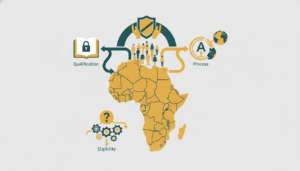
Securing a grant from the Gates Foundation involves a structured and highly competitive application process that demands meticulous preparation and clear alignment with its strategic priorities. This is because the Foundation seeks proposals that demonstrate not only innovative solutions but also a deep understanding of the problem context and a viable pathway to scalable impact. Consequently, applicants must first identify a specific program area within the Foundation’s focus, such as Global Health, Global Development, or U.S. Program initiatives, ensuring their project directly addresses a defined challenge.
The application journey typically begins with an Expression of Interest (EOI) or a Letter of Inquiry (LOI), which serves as an initial screening mechanism, thereby requiring a concise yet compelling overview of the project. If invited to proceed, applicants develop a full proposal, which means they must provide detailed methodologies, budget breakdowns, and clearly articulated metrics for success. A critical component throughout this process is demonstrating the project’s potential for equitable outcomes and sustainability beyond the grant period. Organizations that meticulously follow guidelines, clearly articulate their theory of change, and showcase strong institutional capacity are most likely to advance, resulting in successful grant acquisition.
Key Steps in the Gates Foundation Grant Application Process
- Identify a specific Gates Foundation program area that aligns precisely with your project’s objectives and target impact.
- Submit an Expression of Interest (EOI) or Letter of Inquiry (LOI), providing a concise overview of your innovative solution and its potential for scalable impact.
- If invited, develop a comprehensive full proposal detailing your project’s methodology, budget, team expertise, and robust metrics for success.
- Demonstrate the project’s long-term sustainability and its potential to achieve equitable outcomes for the target population.
- Engage in potential follow-up discussions or site visits with Foundation program officers to elaborate on your proposal and address any questions.
FAQ
How can organizations secure funding from the Bill & Melinda Gates Foundation for AI health initiatives?
Organizations secure funding from the Gates Foundation for AI health initiatives by aligning proposals with the Foundation’s strategic focus on leveraging AI to address global health disparities. This means proposals must demonstrate innovative, scalable AI solutions for challenges like disease surveillance, diagnostics, or personalized treatments, particularly in low-resource settings. Successful applications clearly articulate measurable impact, equitable access, and a sustainable pathway for their AI health interventions, directly contributing to the Foundation’s goals of reducing child mortality and disease.
What are the key global problems Bill Gates is addressing with his AI startup investments?
Bill Gates is addressing critical global problems with his AI startup investments, primarily focusing on enhancing healthcare, agriculture, and education. In healthcare, AI is targeted at improving diagnostics and treatment for diseases in underserved regions. For agriculture, AI solutions aim to boost crop yields and resilience for smallholder farmers. In education, AI is being developed to personalize learning experiences and support teachers, particularly in the U.S. and developing countries. These investments are driven by the belief that AI can accelerate progress against poverty, disease, and climate change.
What is Breakthrough Energy Ventures and how does it invest in climate technology?
Breakthrough Energy Ventures (BEV) is Bill Gates’ investment vehicle dedicated to funding innovative climate technology solutions to achieve net-zero emissions. BEV invests in ‘hard tech’ across five critical sectors: electricity, manufacturing, agriculture, transportation, and buildings. Its investment strategy prioritizes technologies that offer significant potential for greenhouse gas reduction but often require patient capital and long development timelines. This approach is distinct from traditional VC, focusing on foundational innovations that can eventually become cost-competitive and scale globally to decarbonize industries.
How does Bill Gates’ climate tech investment strategy differ from traditional Venture Capital?
Bill Gates’ climate tech investment strategy, primarily through Breakthrough Energy Ventures, differs from traditional Venture Capital by prioritizing long-term impact and foundational technologies over immediate financial returns. While traditional VC seeks rapid exits (3-7 years) and proven market pathways, Gates invests patient capital in high-risk, high-reward innovations that may take decades to mature but offer transformative climate solutions. This distinction means BEV funds ‘deep tech’ in energy, industry, and agriculture that traditional VCs often avoid due to extended development timelines and higher capital requirements, ensuring a focus on systemic decarbonization.
What are the strategic priorities for Bill Gates’ philanthropic and investment endeavors?
The strategic priorities for Bill Gates’ philanthropic and investment endeavors revolve around addressing global inequity and achieving sustainable development. Key areas include global health (e.g., disease eradication, maternal and child health, AI in healthcare), global development (e.g., agricultural development, financial services for the poor), and U.S. programs (e.g., education, economic mobility). His investment arm, Breakthrough Energy Ventures, focuses on climate technology across sectors like electricity and manufacturing. These priorities are interconnected, driven by a commitment to leveraging innovation and technology to improve lives worldwide.
Limitations and Alternatives in Securing Funding for Global Impact
While Gates Foundation grants offer unparalleled opportunities, it is crucial for organizations to recognize the inherent limitations and highly competitive nature of this funding source. The Foundation’s specific strategic priorities mean that projects outside these defined areas, regardless of their merit, are unlikely to receive consideration. Consequently, relying solely on a single major funder can create significant organizational risk, impacting long-term sustainability. Furthermore, the rigorous application process demands substantial time and resources, which smaller organizations may find challenging to allocate.
Therefore, exploring alternative funding avenues is a strategic imperative for any organization committed to global impact. These alternatives include government grants from agencies like the National Institutes of Health (NIH) or the U.S. National Science Foundation (NSF), which offer diverse funding calls for health and climate research. Additionally, impact investors, corporate social responsibility programs, and crowdfunding platforms present viable options, each with distinct advantages and requirements. Diversifying funding sources not only mitigates risk but also broadens the potential for innovation and collaboration, ensuring that vital projects can secure the necessary resources even if a Gates Foundation grant is not obtained.
Conclusion: Your Strategic Path to Gates Foundation Funding
Securing Gates Foundation grants in 2026 demands a strategic, informed approach, primarily due to the Foundation’s intensified focus on AI health and climate technology, underscored by its recent $1 billion AI commitment. Organizations must meticulously align their proposals with these specific priorities and demonstrate a clear, scalable path to global impact. This is because the Foundation’s investment philosophy, distinct from traditional venture capital, prioritizes long-term, transformative solutions to pressing global challenges. By understanding its strategic outlook, navigating the application process effectively, and articulating a compelling vision for change, potential grantees can significantly enhance their prospects for success, thereby contributing to a more equitable and sustainable future.
References
- National Institutes of Health (NIH). (n.d.). Retrieved from https://www.nih.gov/ (Cited for general information on AI health research and biomedical advancements, particularly in the context of global health initiatives.)
- U.S. National Science Foundation (NSF). (n.d.). Retrieved from https://www.nsf.gov/ (Cited for insights into AI development and climate technology research, providing context for foundational scientific innovation.)
- U.S. Environmental Protection Agency (EPA). (n.d.). Retrieved from https://www.epa.gov/ (Cited for information on climate change impacts and sustainable technologies relevant to climate tech investments.)
- U.S. Department of Energy (DOE). (n.d.). Retrieved from https://www.energy.gov/ (Cited for data and advancements in renewable energy technologies and clean energy funding, supporting climate tech analysis.)
- World Health Organization (WHO). (n.d.). Retrieved from https://www.who.int/ (Cited for global health statistics, international health guidelines, and public health recommendations relevant to AI health applications.)
- U.S. Securities and Exchange Commission (SEC). (n.d.). Retrieved from https://www.sec.gov/ (Cited for verifying investment patterns and understanding financial regulatory aspects of Bill Gates’ investment strategies.)
- University of Washington. (n.d.). Retrieved from https://www.washington.edu/ (Cited as an example of an academic institution receiving significant funding for global health and climate research, illustrating institutional partnerships.)