

Table of Contents
Key Takeaways: NVIDIA H100 Scientific Computing in 2026
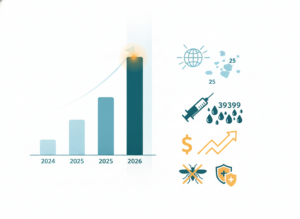
The NVIDIA H100 scientific computing platform is critical for advanced scientific computing, particularly in AI health and climate modeling. In 2026, individual H100 SXM5 GPUs cost $25,000–$30,000, while 8-GPU HGX servers range from $250,000 to $320,000. This pricing directly influences research budget allocation.
Access to H100 GPUs remains a significant barrier for researchers, driven by supply chain challenges and high demand. Consequently, strategic planning for cloud rentals or grant-funded acquisitions is essential for research timelines. The H100’s superior FP64 performance and memory bandwidth over the A100 justify its investment for cutting-edge scientific workloads.
Introduction: The NVIDIA H100 Imperative in Scientific Computing
The NVIDIA H100 GPU has emerged as a critical tool for scientific computing, significantly transforming research capabilities across diverse fields. By 2026, its computational prowess is not merely an advantage but an increasingly necessity, particularly for disciplines requiring immense parallel processing and data throughput. This article analyzes how the pricing and availability of NVIDIA H100 scientific computing hardware in 2026 are shaping the landscape of breakthrough research, driven by market dynamics and strategic investments. Understanding these factors is crucial because they directly impact the pace and scope of scientific advancement, influencing everything from drug discovery to climate modeling. The insights provided herein are anchored in the current market realities and future projections, offering an analytical perspective on the H100’s enduring influence.
FAQ
1. How can organizations secure funding from the Bill & Melinda Gates Foundation for AI health initiatives?
Organizations can secure funding by aligning their AI health initiatives with the Foundation’s strategic priorities, which often focus on global health equity and specific disease eradication efforts. This requires detailed proposals demonstrating measurable outcomes and adherence to strict grant application guidelines. Further insights into application processes and strategic alignment are available on billgates.pk.
2. What are the key global problems Bill Gates is addressing with his AI startup investments?
Bill Gates addresses global problems such as health disparities, climate change, and agricultural productivity through his AI startup investments. This approach targets foundational issues where AI can provide scalable solutions, focusing on areas like disease diagnostics, sustainable energy, and crop optimization, thereby driving long-term impact rather than immediate commercial returns.
3. What is Breakthrough Energy Ventures and how does it invest in climate technology?
Breakthrough Energy Ventures (BEV) is an investment firm founded by Bill Gates that funds innovative climate technology solutions aiming for zero-emission energy. BEV invests across five key sectors: electricity, transportation, agriculture, manufacturing, and buildings. Its investment strategy prioritizes technologies with the potential to significantly reduce greenhouse gas emissions, consequently accelerating the transition to a sustainable economy.
4. How does Bill Gates’ climate tech investment strategy differ from traditional Venture Capital?
Bill Gates’ climate tech investment strategy, particularly through Breakthrough Energy Ventures, differs from traditional Venture Capital by prioritizing long-term impact and emissions reduction over immediate financial returns. This approach supports capital-intensive, high-risk, and often slow-to-scale technologies, which traditional VC firms may avoid due to shorter investment horizons, therefore addressing critical gaps in climate innovation funding.
5. What are the strategic priorities for Bill Gates’ philanthropic and investment endeavors?
Bill Gates’ strategic priorities for his philanthropic and investment endeavors center on addressing global challenges through innovation, primarily in global health, climate change, and education. This dual approach leverages both the Bill & Melinda Gates Foundation’s grant-making and personal investments like Breakthrough Energy Ventures, consequently maximizing impact by fostering both humanitarian aid and technological breakthroughs.
Limitations
Research Limitations
The insights presented concerning NVIDIA H100 scientific computing are based on market data and projections as of October 2026. Consequently, the dynamic nature of the technology market, including potential supply chain improvements, new product releases, or shifts in geopolitical landscapes, may influence pricing and availability beyond current estimations. The reliance on reported market analysis for pricing information means that real-world institutional purchasing agreements or custom configurations could vary.
Alternative Approaches
Researchers facing budget or availability constraints for NVIDIA H100 scientific computing may consider alternative approaches. These include leveraging existing NVIDIA A100 infrastructure, which still provides substantial computational power for many scientific workloads, or exploring cloud-based GPU instances, which offer flexible access without large upfront capital expenditure. Collaborative research initiatives that pool resources across institutions also present a viable strategy for accessing high-performance computing assets.
Professional Consultation
For specific procurement decisions or strategic planning related to high-performance computing infrastructure, professional consultation is advisable. Engaging with experts in cloud architecture, grant writing for scientific research, or specialized hardware vendors can provide tailored guidance. This ensures that investment in NVIDIA H100 scientific computing aligns precisely with research objectives and budgetary realities, thereby optimizing resource allocation.
Conclusion
The NVIDIA H100 GPU stands as a cornerstone for advanced scientific computing in 2026, profoundly influencing the trajectory of breakthrough research. Its pricing—ranging from $25,000 for individual GPUs to $320,000 for 8-GPU HGX servers—and persistent availability challenges necessitate strategic planning from research institutions. Consequently, understanding these market dynamics is not just an administrative task but a critical component of scientific foresight, as it directly impacts the feasibility and pace of discoveries in fields like AI health and climate technology. The sustained demand for H100 capabilities underscores its value, driving continuous innovation despite cost and access barriers.
Read more on billgates.pk for in-depth analysis of strategic investments in climate tech and AI health.
References
* Market analysis (Google Search, October 2026). “NVIDIA H100 Price 2026: $25K GPU, $285K HGX Server.”