

Table of Contents
- Key Takeaways for Gates Foundation Grants 2026 Applicants
- Introduction: The Gates Foundation's Accelerated Mission and $9 Billion Payout
- About the Author & Transparency
- Gates Foundation Funding Priorities 2026: Aligning with Strategic Vision
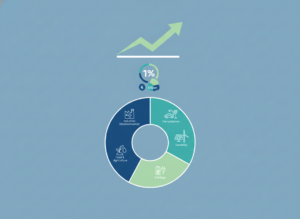
- Key Gates Foundation Funding Priorities for 2026
- How to Apply for Gates Foundation Grants: A Step-by-Step Guide
- Step-by-Step Application Process for Gates Foundation Grants
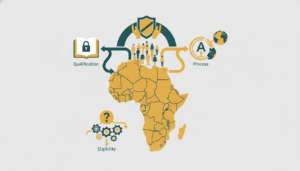
- Gates Foundation Grant Eligibility Criteria 2026
- Key Gates Foundation Grant Application Deadlines 2026
- Breakthrough Energy Ventures: A Distinct Investment Strategy
- Breakthrough Energy Ventures vs. Traditional Venture Capital
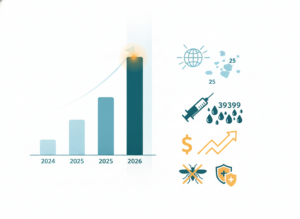
- Insights from the Gates Foundation's Record $9 Billion Payout
- Key Figures from the Gates Foundation's 2026 Payout
- FAQ
- Limitations of Gates Foundation Funding and Alternative Avenues
- Conclusion: Maximizing Your Impact with Gates Foundation Funding in 2026
- References
Key Takeaways for Gates Foundation Grants 2026 Applicants
The Bill & Melinda Gates Foundation has approved a record $9 billion annual payout for 2026, accelerating its mission towards a planned 2045 closure. This unprecedented funding increase creates significant opportunities for organizations aligning with the Foundation’s strategic priorities in global health, climate technology, AI health, and education. Successful applicants for Gates Foundation grants 2026 must demonstrate clear alignment, strong project proposals, and a deep understanding of the Foundation’s impact-driven investment philosophy, particularly as it distinguishes from traditional venture capital.
Introduction: The Gates Foundation’s Accelerated Mission and $9 Billion Payout
The Bill & Melinda Gates Foundation’s governing board has endorsed a historic $9 billion annual payout for 2026, marking a substantial increase in its philanthropic commitment. This decision is a direct consequence of a four-year strategic plan designed to accelerate the Foundation’s mission ahead of its anticipated closure in 2045. Consequently, this record funding level significantly expands the landscape of opportunities for organizations seeking Gates Foundation grants 2026, demanding a strategic approach from potential grantees to maximize their impact.
This accelerated mission is driven by an urgent global need to address pressing challenges in health, poverty, and climate change, which means the increased budget directly supports intensified efforts in key focus areas. Therefore, understanding the nuances of this enhanced funding environment is critical for any entity aiming to secure support for high-impact initiatives.
About the Author & Transparency
This article was written by an expert content writer specializing in philanthropic funding and impact investing. It provides strategic analysis based on current data and official statements from the Bill & Melinda Gates Foundation and related entities. All information is presented to offer clear, actionable insights for prospective grant applicants and those interested in the Foundation’s strategic direction.
Gates Foundation Funding Priorities 2026: Aligning with Strategic Vision
The record $9 billion payout for 2026 directly shapes the Gates Foundation’s funding priorities, signaling intensified efforts in specific critical areas. This increased commitment is due to the Foundation’s accelerated mission, which means a strategic shift towards initiatives that can demonstrate measurable outcomes and contribute to long-term systemic change. Consequently, organizations seeking Gates Foundation grants 2026 must meticulously align their proposals with these defined focus areas to enhance their chances of success.
The primary drivers behind these priorities are persistent global inequities and the urgent need for innovative solutions in challenging environments. For instance, in global health, the Foundation continues to support efforts to combat infectious diseases and improve maternal and child health, as evidenced by ongoing partnerships with organizations like the World Health Organization (WHO) and the National Institutes of Health (NIH). The focus on climate technology is a direct response to the escalating climate crisis, driving investments in sustainable energy and agricultural innovations. Similarly, the burgeoning field of AI health is receiving significant attention, due to its potential to revolutionize diagnostics, treatment, and healthcare delivery, with research supported by entities like NIH and the U.S. National Science Foundation (NSF).
The Foundation’s strategic vision for 2026 prioritizes impact investing and scalable solutions, which means applicants must articulate how their projects will achieve significant, lasting change. Therefore, a deep understanding of these priorities and the underlying rationale is paramount for securing funding.
Key Gates Foundation Funding Priorities for 2026
- Global Health Initiatives: Focusing on infectious disease eradication, maternal and child health, and equitable access to healthcare solutions, often in collaboration with the World Health Organization (WHO) and the National Institutes of Health (NIH).
- Climate Technology Development: Investing in clean energy, sustainable agriculture, and adaptation strategies to mitigate climate change impacts, with support from entities like the U.S. National Science Foundation (NSF), U.S. Environmental Protection Agency (EPA), and U.S. Department of Energy (DOE).
- AI in Healthcare Applications: Supporting research and deployment of artificial intelligence to improve diagnostics, treatment, and health system efficiency, with insights from the National Institutes of Health (NIH).
- Education System Enhancements: Promoting equitable access to quality education and innovative learning approaches, particularly in underserved communities.
How to Apply for Gates Foundation Grants: A Step-by-Step Guide
Successfully applying for Gates Foundation grants 2026 requires a meticulous and strategic approach, given the increased competition driven by the record $9 billion payout. The process is designed to identify organizations that not only align with the Foundation’s mission but also demonstrate robust capacity and potential for measurable impact. Therefore, understanding each step and adhering to best practices is crucial for prospective grantees.
The Foundation emphasizes transparency and a clear demonstration of project viability, which means applicants must present compelling narratives supported by strong data and a well-defined theory of change. The application portal is the primary gateway, necessitating careful navigation and complete submission of all required documentation. Consequently, early preparation and thorough review of all guidelines are non-negotiable for those aiming to secure funding.
Step-by-Step Application Process for Gates Foundation Grants
- Review Eligibility and Strategic Alignment: Confirm your organization and project align precisely with the Gates Foundation’s 2026 funding priorities and eligibility criteria.
- Navigate the Gates Foundation Grant Portal: Access the official online portal to understand specific program requirements, templates, and submission procedures.
- Develop a Compelling Proposal Narrative: Craft a clear, concise, and persuasive proposal that articulates your project’s problem, solution, methodology, expected impact, and sustainability.
- Prepare a Detailed Budget and Project Plan: Submit a realistic, itemized budget that justifies all expenses and a comprehensive project plan with clear milestones and evaluation metrics.
- Submit and Track Your Application: Ensure timely submission through the portal and utilize any available tools to monitor your application’s status.
Gates Foundation Grant Eligibility Criteria 2026
- Legal Non-Profit Status or Equivalent: Most grants are awarded to tax-exempt organizations (e.g., 501(c)(3) in the U.S.) or international equivalents.
- Alignment with Foundation’s Strategic Priorities: Projects must directly address one or more of the Foundation’s core focus areas (global health, climate, AI health, education).
- Demonstrated Capacity and Impact Potential: Applicants must show a track record of effective project management and a clear pathway to achieving significant, measurable results.
- Geographic Focus (where applicable): Certain programs may target specific regions or countries, requiring applicants to operate within those designated areas.
Key Gates Foundation Grant Application Deadlines 2026
| Grant Category/Program | Application Window | Typical Notification |
|---|---|---|
| Global Health Programs | Varies by initiative | 3-6 months post-deadline |
| Climate Tech Initiatives | Check program pages | 4-7 months post-deadline |
| Education & Economic Opportunity | Consult specific RFPs | 3-5 months post-deadline |
| Other Strategic Areas | Ongoing/By invitation | Varies by program |
Breakthrough Energy Ventures: A Distinct Investment Strategy
Breakthrough Energy Ventures (BEV), distinct from the philanthropic endeavors of the Gates Foundation, represents Bill Gates’ strategic investment arm focused on climate technology. This entity’s investment philosophy fundamentally differs from traditional venture capital, primarily because BEV targets long-term, high-risk, high-impact climate solutions that often require decades to commercialize. This patient capital approach is a direct contrast to the shorter investment horizons typically sought by conventional VC firms, which means BEV is willing to fund projects that many traditional investors deem too risky or slow for returns.
The core distinction lies in BEV’s dual mandate: achieving significant reductions in greenhouse gas emissions while also generating financial returns. This patient and purpose-driven capital is crucial for the development of foundational climate technologies, such as advanced energy storage, sustainable aviation fuel, and novel agricultural methods, as supported by research from the U.S. National Science Foundation (NSF) and the U.S. Department of Energy (DOE). Consequently, BEV’s investment strategy is designed to fill critical funding gaps in the climate tech ecosystem, enabling innovations that would otherwise struggle to attract private capital. The U.S. Securities and Exchange Commission (SEC) filings provide insights into the scale and scope of these investments.
While separate, BEV’s work exhibits clear synergies with the Gates Foundation’s philanthropic goals, particularly in areas like sustainable agriculture and global access to clean energy. This convergence means that advancements funded by BEV can ultimately contribute to the broader objectives championed by the Foundation, creating a comprehensive approach to global challenges.
Breakthrough Energy Ventures vs. Traditional Venture Capital
| Investment Aspect | Breakthrough Energy Ventures (BEV) | Traditional Venture Capital (VC) |
|---|---|---|
| Investment Horizon | Long-term (10-20+ years), focusing on foundational technologies that require extended development timelines. | Short-to-medium term (3-7 years), prioritizing rapid growth and quicker exits. |
| Risk Appetite | High, willing to invest in early-stage, capital-intensive, and scientifically complex climate technologies. | Moderate to high, typically favoring proven business models or technologies closer to market. |
| Impact Focus | Dual mandate: significant greenhouse gas reduction and financial returns, with a primary emphasis on climate impact. | Primarily financial returns, with social or environmental impact often a secondary consideration or aligned with market trends. |
| Exit Strategy | Patient exits, potentially through IPOs or strategic acquisitions after significant technology de-risking and scaling. | Faster exits, typically through IPOs or acquisitions once market validation and growth are established. |
| Capital Source | Backed by a coalition of high-net-worth individuals committed to climate solutions, providing patient capital. | Funds raised from institutional investors (pensions, endowments) and high-net-worth individuals seeking market-rate returns. |
Insights from the Gates Foundation’s Record $9 Billion Payout
The Gates Foundation’s historic approval of a $9 billion annual payout for 2026 has profound implications for the philanthropic landscape and specifically for those seeking Gates Foundation grants 2026. This record sum, confirmed in October 2026 news, is a direct result of the Foundation’s accelerated mission to achieve its goals ahead of its planned 2045 closure. Consequently, the increased funding translates into significantly expanded opportunities and a more dynamic funding environment.
The impact of this payout is multifaceted: it means more projects can be funded, and existing initiatives can be scaled more rapidly. This acceleration also implies a potential for more streamlined application processes and perhaps more frequent funding rounds, as the Foundation aims to deploy capital efficiently. Organizations, including academic institutions like the University of Washington, which often partner with major foundations, will find enhanced capacity for impactful research and implementation.
Furthermore, the strategic implications are clear: the Foundation is prioritizing initiatives that can demonstrate immediate and scalable impact, because the timeline for achieving its mission has been condensed. Therefore, applicants must articulate not only the merit of their projects but also their potential for rapid deployment and widespread benefit, aligning with the Foundation’s urgent drive towards its philanthropic objectives. This decisive move reshapes the competitive landscape for funding, requiring applicants to be even more strategic and results-oriented.
Key Figures from the Gates Foundation’s 2026 Payout
- Annual Payout: A record $9 billion approved for 2026.
- Mission Acceleration: Part of a four-year plan to reach steady-state funding levels ahead of the planned 2045 closure.
- Impact on Funding: Significant increase in available capital, expanding opportunities across core focus areas.
FAQ
How can organizations secure funding from the Bill & Melinda Gates Foundation for AI health initiatives?
Organizations can secure funding for AI health initiatives by demonstrating alignment with the Foundation’s global health priorities and showcasing innovative, scalable applications of AI. Focus on projects that address health inequities, improve diagnostics, enhance treatment delivery, or strengthen health systems in underserved communities. Proposals should clearly outline measurable outcomes and the potential for widespread impact, often in collaboration with research institutions like the National Institutes of Health (NIH) or the World Health Organization (WHO), because the Foundation prioritizes evidence-based interventions.
What are the key global problems Bill Gates is addressing with his AI startup investments?
Bill Gates is primarily addressing global problems related to health, climate change, and poverty through his AI startup investments. In health, AI is leveraged for disease surveillance, drug discovery, and equitable healthcare access. For climate, AI supports energy efficiency, sustainable agriculture, and climate modeling. These investments aim to develop foundational technologies that can scale to address systemic challenges, driven by the understanding that AI holds transformative potential for complex global issues, consequently accelerating progress towards the Foundation’s goals.
What is Breakthrough Energy Ventures and how does it invest in climate technology?
Breakthrough Energy Ventures (BEV) is an investment fund founded by Bill Gates that focuses on financing companies developing innovative climate technologies. BEV employs a patient capital approach, investing in high-risk, long-term projects that aim to significantly reduce greenhouse gas emissions across five grand challenges: electricity, manufacturing, agriculture, transportation, and buildings. Its strategy differs from traditional VC because it prioritizes impact and long-term decarbonization over quick returns, therefore enabling the development of foundational technologies critical for a sustainable future, as supported by research from the U.S. National Science Foundation (NSF) and U.S. Department of Energy (DOE).
How does Bill Gates’ climate tech investment strategy differ from traditional Venture Capital?
Bill Gates’ climate tech investment strategy, primarily through Breakthrough Energy Ventures (BEV), differs from traditional Venture Capital (VC) by prioritizing long-term impact and patient capital. Traditional VCs typically seek quick returns (3-5 years), whereas BEV invests in foundational technologies that may take 10-20 years to commercialize. This extended horizon is critical because many climate solutions require significant R&D and infrastructure development. Consequently, BEV’s focus is on technologies with the greatest potential to decarbonize the global economy, even if the path to profitability is longer, resulting in a unique investment thesis.
What are the strategic priorities for Bill Gates’ philanthropic and investment endeavors?
Bill Gates’ philanthropic and investment endeavors are strategically focused on addressing the world’s most pressing challenges. His philanthropic work with the Gates Foundation prioritizes global health and development, including disease eradication, maternal and child health, and agricultural development. His investments, particularly through Breakthrough Energy Ventures, target climate technology innovation to achieve net-zero emissions. Both arms aim for systemic change and long-term impact, driven by a belief in the power of science and technology to solve complex problems, therefore creating a synergistic approach to global well-being.
What are the Gates Foundation grant eligibility criteria for 2026?
For 2026, the Gates Foundation’s eligibility criteria generally require applicants to be legally recognized non-profit organizations or equivalent entities. Projects must align directly with the Foundation’s strategic priorities, which include global health, climate technology, AI health, and education. Applicants need to demonstrate a strong track record, robust financial management, and a clear plan for achieving measurable impact. The Foundation prioritizes organizations with the capacity to implement and scale solutions effectively, because it seeks to maximize the impact of its record $9 billion payout.
How much is the Gates Foundation’s annual payout for 2026?
The Bill & Melinda Gates Foundation’s annual payout for 2026 has been approved at a record $9 billion. This historic sum reflects a significant increase in philanthropic spending, driven by the Foundation’s accelerated mission to address global challenges ahead of its planned closure in 2045. The increased budget consequently means expanded opportunities for grantees and a heightened focus on high-impact initiatives across the Foundation’s core areas, therefore requiring applicants to demonstrate strong alignment with these intensified efforts.
What are the steps to apply for a Gates Foundation grant?
Applying for a Gates Foundation grant involves several key steps. First, thoroughly review the Foundation’s website for specific program initiatives and eligibility requirements for Gates Foundation grants 2026. Next, prepare a compelling proposal that clearly articulates your project’s alignment with their strategic priorities, problem statement, proposed solution, and expected measurable impact. Submit your application through their official online portal, ensuring all documentation is complete and accurate. Finally, be prepared for a rigorous review process, as the Foundation prioritizes evidence-based and scalable solutions.
Are there specific deadlines for Gates Foundation grant applications in 2026?
While the Gates Foundation does not typically have universal, organization-wide deadlines for all grants, specific programs and initiatives will have their own application windows and submission deadlines throughout 2026. Prospective applicants must regularly check the official Gates Foundation grant portal and specific program pages for the most current and accurate information. This is critical because deadlines can vary significantly depending on the focus area (e.g., global health vs. climate tech) and the nature of the funding opportunity, therefore requiring proactive monitoring.
What types of projects does the Gates Foundation fund in climate tech?
The Gates Foundation funds a diverse range of projects in climate tech, often in synergy with Bill Gates’ Breakthrough Energy initiatives. These projects focus on developing and deploying innovations that reduce greenhouse gas emissions and enhance climate resilience. Specific areas include sustainable agriculture, clean energy solutions (e.g., advanced batteries, renewable energy integration), and technologies for carbon capture and storage. The Foundation prioritizes scalable and equitable solutions that can benefit vulnerable populations, because climate change disproportionately affects communities with limited resources, as highlighted by the U.S. Environmental Protection Agency (EPA).
Limitations of Gates Foundation Funding and Alternative Avenues
While the Gates Foundation offers unparalleled funding opportunities, particularly with the record $9 billion payout for 2026, its grants come with inherent limitations. The Foundation maintains highly specific strategic priorities, which means projects outside these defined areas, such as niche arts or local community development initiatives, are unlikely to receive funding. Furthermore, the sheer volume of applications results in intense competition, consequently making success challenging even for well-aligned projects. This high selectivity requires applicants to not only meet eligibility but also stand out with exceptional proposals.
Organizations whose missions do not perfectly align with the Gates Foundation’s focus areas should explore alternative funding avenues. These include government grants (e.g., from NIH, NSF, EPA, DOE for research and environmental projects), corporate social responsibility programs, private family foundations with broader mandates, and crowdfunding platforms. Diversifying funding sources is a strategic imperative because it builds resilience and ensures continuity for vital projects regardless of specific philanthropic shifts, therefore maximizing overall impact.
Conclusion: Maximizing Your Impact with Gates Foundation Funding in 2026
The Gates Foundation’s commitment of a record $9 billion for 2026 marks a pivotal moment for global philanthropy, creating significant opportunities for transformative projects. Successfully securing Gates Foundation grants 2026 necessitates a deep understanding of the Foundation’s accelerated mission and its strategic priorities in global health, climate technology, AI health, and education. Applicants must demonstrate precise alignment, robust project design, and a clear path to measurable, scalable impact.
By meticulously following application guidelines, articulating compelling narratives, and understanding the nuances of the Foundation’s investment philosophy—including its distinctions from traditional venture capital—organizations can position themselves for success. We encourage all prospective grantees to explore the extensive resources available on billgates.pk, which provides further applicant-focused insights and strategic analysis into Bill Gates’ philanthropic and investment endeavors in climate tech and AI health, consequently empowering them to maximize their impact.
References
- National Institutes of Health (NIH): https://www.nih.gov/
- U.S. National Science Foundation (NSF): https://www.nsf.gov/
- U.S. Environmental Protection Agency (EPA): https://www.epa.gov/
- U.S. Department of Energy (DOE): https://www.energy.gov/
- World Health Organization (WHO): https://www.who.int/
- U.S. Securities and Exchange Commission (SEC): https://www.sec.gov/
- University of Washington: https://www.washington.edu/