

Table of Contents
- Key Takeaways: Gates Foundation's $400 Million AI Education Investment
- Introduction: The Gates Foundation's Bold Leap into AI Education in 2026
- Understanding the Gates Foundation's 2026 AI Education Commitment: Decoding the $400 Million Investment
- Key Pillars of the Gates Foundation's AI Education Investment
- Strategic Priorities: Why AI in Education is a Gates Foundation Focus
- Gates Foundation's AI Education Strategic Priorities
- Eligibility and Application Pathways for Gates Foundation AI Education Grants
- Key Eligibility Criteria for Gates Foundation AI Education Grants
- Typical Gates Foundation Grant Application Stages
- Types of AI-Driven Learning Tools and Projects Funded by the Gates Foundation
- Examples of AI-Driven Learning Tools Funded by the Gates Foundation
- Measuring Impact: Outcomes and Accountability in Gates Foundation AI Grants
- Key Metrics for Measuring Gates Foundation AI Education Grant Impact
- Limitations and Alternatives: Navigating Challenges in AI Education Funding
- Conclusion: The Future Landscape Shaped by Gates Foundation AI Education Grants
- FAQ
- References
Key Takeaways: Gates Foundation’s $400 Million AI Education Investment
The Bill & Melinda Gates Foundation has committed $400 million specifically to AI tutoring and teaching tools within its broader $1 billion equitable AI pledge for 2026. This significant investment is driven by the goal of enhancing educational equity and individualizing student learning, particularly for underserved communities. Organizations seeking these gates foundation ai education grants must align with the Foundation’s strategic priorities for AI in education, focusing on measurable impact and scalable solutions. The application process emphasizes a clear demonstration of how AI tools will foster equitable access and improve learning outcomes, reflecting a decisive shift towards technology-driven educational transformation.
Introduction: The Gates Foundation’s Bold Leap into AI Education in 2026
The Bill & Melinda Gates Foundation has decisively positioned itself at the forefront of educational innovation, announcing a monumental $1 billion commitment to equitable artificial intelligence over the next two years. A significant portion of this pledge, specifically $400 million, is earmarked for education initiatives, focusing on AI tutoring and teaching tools. This investment signals a strategic pivot, driven by the recognition that AI holds immense potential to individualize learning and address long-standing educational disparities. Consequently, understanding the scope and application pathways for these gates foundation ai education grants becomes paramount for organizations aiming to leverage cutting-edge technology for social impact. This commitment, announced in October 2026, aims to expand AI access for underserved communities, thereby supporting tools designed to individualize student learning (Bill & Melinda Gates Foundation, 2026).
Understanding the Gates Foundation’s 2026 AI Education Commitment: Decoding the $400 Million Investment
In October 2026, the Bill & Melinda Gates Foundation announced a groundbreaking $1 billion commitment over two years for equitable artificial intelligence, driven by the urgent need to expand AI’s benefits to underserved communities. A substantial 40% of this funding, amounting to $400 million, is specifically allocated to education. This investment is not arbitrary; it stems from a decisive analytical position that AI tutoring and teaching tools can significantly individualize student learning. Consequently, this targeted funding directly addresses persistent educational inequities, aiming to provide personalized support that traditional models often fail to deliver.
The Foundation’s strategy is clear: it seeks to harness AI’s potential to create a more inclusive and effective learning environment. This involves supporting the development and deployment of tools that can adapt to individual student needs, providing tailored instruction and feedback. Therefore, the focus of these gates foundation ai education grants is on innovation that translates into tangible improvements in learning outcomes. The $400 million investment is designed to catalyze solutions that are not only technologically advanced but also equitable, ensuring that the transformative power of AI reaches those who stand to benefit the most.
Key Pillars of the Gates Foundation’s AI Education Investment
- Individualized Learning: Enhancing AI tutoring and teaching tools to adapt to each student’s pace and style.
- Equitable Access: Ensuring AI technologies reach underserved communities to bridge educational gaps.
- Educator Support: Providing AI tools that augment teachers’ capabilities, reducing workload and improving instruction.
- Scalable Solutions: Investing in platforms and programs that can be implemented broadly for maximum impact.
Strategic Priorities: Why AI in Education is a Gates Foundation Focus
The Gates Foundation’s pivot towards AI in education is a direct consequence of its long-standing commitment to global equity. Its education strategy and priorities are fundamentally shaped by the belief that every student deserves access to high-quality learning experiences, which means AI-driven tools are now seen as critical enablers. The Foundation identifies several key areas where AI can have a profound impact, primarily focused on addressing the systemic inequities that persist in educational systems.
One primary strategic priority is the personalization of learning. AI algorithms can analyze student performance and tailor content, providing targeted interventions that were previously impractical at scale. This personalized approach directly combats the ‘one-size-fits-all’ model, which disproportionately disadvantages students with diverse learning needs. Furthermore, the Foundation emphasizes gates foundation equitable ai access education, ensuring that these advanced tools are not exclusive to privileged institutions but are widely available, particularly in low-income settings. Consequently, the impact of AI in education funding extends beyond mere technological adoption; it aims for a fundamental transformation of learning opportunities, driven by data-informed pedagogical approaches.
Gates Foundation’s AI Education Strategic Priorities
- Personalized Learning Pathways: Tailoring educational content and pace to individual student needs.
- Addressing Learning Gaps: Providing targeted support to students struggling with specific concepts.
- Data-Driven Instruction: Empowering educators with insights to refine teaching methods.
- Scalability and Reach: Developing AI solutions that can be deployed effectively in diverse educational settings.
- Ethical AI Development: Promoting responsible AI use that protects student data and privacy.
Eligibility and Application Pathways for Gates Foundation AI Education Grants
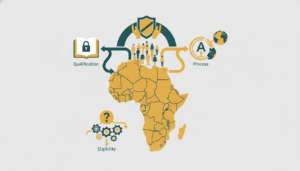
Securing funding from the Bill & Melinda Gates Foundation requires a comprehensive understanding of their specific requirements and application process. The Foundation is not merely looking for innovative AI tools; it seeks projects that can demonstrate a clear, measurable impact on educational equity and student outcomes. Therefore, eligibility criteria for gates foundation grants are stringent, designed to ensure that investments align with their mission. Applicants must typically be non-profit organizations, educational institutions, or social enterprises with a proven track record in education or technology development.
The pathway to securing gates foundation education funding pathways usually involves several stages: an initial letter of inquiry, a more detailed proposal, and potentially a site visit or interview. Successful proposals for gates foundation ai education grants must articulate a clear problem statement, an innovative AI-driven solution, a robust implementation plan, and a comprehensive strategy for measuring impact and scalability. The Foundation prioritizes projects that can show how their AI tools will not only enhance learning but also reach and benefit underserved populations, consequently driving significant systemic change. Organizations must also demonstrate financial stability and the capacity to manage a substantial grant, because the Foundation invests in long-term, sustainable solutions.
Key Eligibility Criteria for Gates Foundation AI Education Grants
- Organizational Status: Typically non-profit organizations, academic institutions, or social enterprises.
- Mission Alignment: Projects must directly align with the Foundation’s goals for equitable AI in education.
- Demonstrated Impact: Applicants must show a track record of effective program delivery or strong potential for measurable outcomes.
- Scalability Potential: Solutions should be designed for broad adoption and impact across diverse educational settings.
- Financial Capacity: Organizations must demonstrate the financial stability and operational capacity to manage grants effectively.
Typical Gates Foundation Grant Application Stages
| Stage | Description | Key Requirement |
|---|---|---|
| Letter of Inquiry (LOI) | Initial brief overview of the project and alignment. | Clear problem statement and proposed solution. |
| Full Proposal Submission | Detailed project plan, budget, and impact metrics. | Comprehensive strategy and measurable outcomes. |
| Due Diligence & Review | Thorough assessment of organizational capacity and project. | Financial stability and robust implementation plan. |
| Grant Award & Agreement | Formalization of funding and reporting requirements. | Adherence to Foundation’s terms and conditions. |
Types of AI-Driven Learning Tools and Projects Funded by the Gates Foundation
The $400 million investment by the Gates Foundation targets a diverse array of ai-driven learning tools funded by gates foundation, all unified by the goal of enhancing educational equity and effectiveness. These gates foundation ai education grants are not limited to a single technology but encompass a spectrum of innovative solutions. Consequently, the Foundation supports projects ranging from highly sophisticated adaptive tutoring systems to intelligent content platforms that can personalize learning materials.
Specific examples include AI-powered diagnostic tools that precisely identify student learning gaps, enabling educators to intervene effectively. Additionally, funding extends to AI-driven virtual mentors that provide continuous support and feedback, acting as a force multiplier for teacher capacity. The Foundation also invests in platforms that leverage AI for formative assessment, allowing for real-time adjustments to curriculum and instruction. This strategic funding demonstrates a clear understanding of what are gates foundation ai education grants: they are investments in technology that directly translate into improved pedagogical practices and better student outcomes, particularly for those in underserved communities who often lack access to personalized educational resources.
Examples of AI-Driven Learning Tools Funded by the Gates Foundation
- Adaptive Tutoring Systems: AI programs that tailor instruction and practice to individual student needs.
- Intelligent Content Platforms: AI-powered systems that personalize learning materials and recommendations.
- AI-Powered Assessment Tools: Diagnostic tools that identify learning gaps and provide real-time feedback.
- Virtual Mentors and Chatbots: AI companions offering continuous support, answering questions, and guiding students.
- Teacher Support AI: Tools that assist educators with administrative tasks, content curation, and data analysis.
Measuring Impact: Outcomes and Accountability in Gates Foundation AI Grants
The Gates Foundation’s commitment to data-driven philanthropy extends profoundly to its AI education grants, necessitating a robust framework for measuring outcomes of gates foundation ai grants. The Foundation demands clear, quantifiable results because its investments are designed to produce tangible, systemic change. This rigorous approach ensures accountability and verifies that the substantial funding leads to demonstrable improvements in learning and equity. Consequently, grant recipients are required to establish comprehensive monitoring and evaluation plans from the outset, aligning with the Foundation’s strategic objectives.
Key performance indicators typically include improvements in student achievement scores, increased engagement rates, enhanced teacher effectiveness, and broader access for underserved populations. The Foundation emphasizes longitudinal studies to track the sustained impact of AI interventions, because short-term gains are insufficient for long-term educational transformation. This focus on verifiable outcomes underscores the Foundation’s analytical position: investments in gates foundation ai education grants must yield not just innovation, but also measurable progress towards a more equitable and effective global education system.
Key Metrics for Measuring Gates Foundation AI Education Grant Impact
| Metric Category | Specific Indicators | Expected Outcome |
|---|---|---|
| Student Achievement | Standardized test scores, mastery of learning objectives. | Measurable gains in academic performance. |
| Equitable Access & Usage | User demographics, usage frequency in underserved areas. | Increased access and engagement for target populations. |
| Educator Effectiveness | Teacher workload reduction, improved instructional quality. | Enhanced teaching capacity and student support. |
| Scalability & Sustainability | Adoption rates, cost-effectiveness, long-term viability. | Broad, sustainable impact across educational systems. |
Limitations and Alternatives: Navigating Challenges in AI Education Funding
While the Gates Foundation’s investment in AI education is transformative, it is crucial to acknowledge inherent limitations and potential challenges. Ethical concerns surrounding data privacy, algorithmic bias, and the potential for increased digital divides remain significant. The successful deployment of AI tools requires robust infrastructure and digital literacy, which are not universally available, consequently creating new access barriers. Moreover, the long-term impact of AI on teacher roles and student-teacher interaction warrants careful monitoring, because technology should augment, not replace, human connection.
Organizations seeking funding should also explore alternatives beyond the Gates Foundation. Numerous philanthropic organizations, government agencies (like the U.S. National Science Foundation, a federal agency established in 1950, which supports fundamental research and education in STEM, U.S. National Science Foundation (NSF)), and corporate social responsibility programs offer grants for educational technology. Diversifying funding sources can mitigate reliance on a single funder and provide flexibility. Furthermore, projects focused on specific health applications of AI might also look to institutions like the National Institutes of Health, a federal agency founded in 1887, for grants (National Institutes of Health, National Institutes of Health (NIH)). A balanced funding strategy, coupled with a critical approach to AI implementation, is essential for sustainable educational innovation.
Conclusion: The Future Landscape Shaped by Gates Foundation AI Education Grants
The Bill & Melinda Gates Foundation’s $400 million investment in AI tutoring and teaching tools for 2026 marks a pivotal moment in the quest for educational equity. This strategic funding underscores a decisive analytical position: AI is not merely a technological advancement but a powerful lever for individualizing learning and closing achievement gaps. The focus on gates foundation ai education grants reflects a commitment to innovation that is both scalable and equitable, driven by the Foundation’s mission to reduce global disparities. As a result, the landscape of education is poised for significant transformation, necessitating collaborative action from innovators, educators, and policymakers to harness AI’s full potential responsibly.
Read more about the broader implications of Bill Gates’ philanthropic and investment strategies on billgates.pk.
FAQ
How can organizations secure funding from the Bill & Melinda Gates Foundation for AI health initiatives?
Organizations secure funding for AI health initiatives through a process similar to education grants, but with a focus on health-specific calls for proposals. This involves aligning with the Foundation’s global health priorities, which include disease eradication, maternal and child health, and vaccine development. Proposals must demonstrate how AI solutions will address critical health challenges, particularly in low-resource settings, and show potential for scalable, equitable impact, reflecting the Foundation’s broader investment philosophy (World Health Organization, World Health Organization (WHO); National Institutes of Health, National Institutes of Health (NIH)).
What are the key global problems Bill Gates is addressing with his AI startup investments?
Bill Gates’ AI startup investments address global problems primarily through two lenses: health and climate technology. In health, AI is crucial for accelerating drug discovery, improving diagnostics, and enhancing healthcare delivery in underserved regions. For climate tech, AI drives innovation in renewable energy, carbon capture, and sustainable agriculture, aligning with Breakthrough Energy Ventures’ mission. These investments reflect a strategic vision to leverage AI for solutions to the world’s most pressing challenges, often distinct from direct philanthropic grants (U.S. National Science Foundation, U.S. National Science Foundation (NSF); U.S. Department of Energy, U.S. Department of Energy (DOE)).
What is Breakthrough Energy Ventures and how does it invest in climate technology?
Breakthrough Energy Ventures (BEV) is an investment fund founded by Bill Gates that supports innovations aimed at decarbonizing the global economy. It invests in a diverse portfolio of climate technology startups across sectors like energy, transportation, agriculture, and manufacturing. BEV’s investment strategy focuses on long-term, high-impact solutions that can achieve significant emissions reductions, differentiating it from traditional venture capital by prioritizing climate impact alongside financial returns (U.S. Department of Energy, U.S. Department of Energy (DOE)).
How does Bill Gates’ climate tech investment strategy differ from traditional Venture Capital?
Bill Gates’ climate tech investment strategy, primarily through Breakthrough Energy Ventures, differs from traditional Venture Capital by emphasizing long-term impact over short-term returns. While traditional VC often seeks quick exits, BEV is patient capital, willing to invest in technologies with longer development cycles but greater potential for significant emissions reduction. This approach is driven by the scale of the climate crisis, which demands foundational, disruptive innovations rather than incremental improvements (U.S. Environmental Protection Agency, U.S. Environmental Protection Agency (EPA)).
What are the strategic priorities for Bill Gates’ philanthropic and investment endeavors?
Bill Gates’ strategic priorities span global health, poverty alleviation, climate change, and education, often leveraging technology as a key enabler. Through the Gates Foundation, the focus is on philanthropic grants for health, development, and education. His personal investments, including Breakthrough Energy, target climate technology. The overarching goal is to apply innovative solutions to grand challenges, aiming for equitable access and sustainable impact worldwide, which means a holistic approach to global well-being (World Health Organization, World Health Organization (WHO); University of Washington, University of Washington).
References
- Bill & Melinda Gates Foundation. (2026, October). Gates Foundation Pledges $1 Billion for Equitable AI, Allocating $400 Million to Education. https://www.gatesfoundation.org/news/2026/10/ai-education-commitment
- National Institutes of Health (NIH). (n.d.). NIH is the primary federal agency for biomedical and public health research, providing extensive data and funding opportunities relevant to AI’s role in healthcare. https://www.nih.gov/
- U.S. Department of Energy (DOE). (n.d.). The DOE drives research, development, and deployment of energy-related technology, offering data on renewable energy and climate solutions. https://www.energy.gov/
- U.S. Environmental Protection Agency (EPA). (n.d.). EPA provides data and research on environmental issues and climate change mitigation strategies. https://www.epa.gov/
- U.S. National Science Foundation (NSF). (n.d.). The NSF supports fundamental research and education in all non-medical fields of science and engineering, including AI development and STEM funding. https://www.nsf.gov/
- University of Washington. (n.d.). A leading public research university, the University of Washington hosts significant research initiatives and centers, receiving substantial funding from major foundations like the Gates Foundation. https://www.washington.edu/
- World Health Organization (WHO). (n.d.). WHO provides global leadership on health matters and offers evidence-based policy recommendations. https://www.who.int/