

Table of Contents
- Key Takeaways: Navigating Gates Foundation Funding
- Introduction: Unlocking Strategic Gates Foundation Funding for Global Impact
- Understanding Gates Foundation Funding Opportunities
- Key Gates Foundation Funding Types
- Navigating the Gates Foundation Grant Application Process
- Steps for Applying for Gates Foundation Grants
- Aligning with Bill Gates' Vision for AI Health Initiatives
- Key Focus Areas in AI Health Initiatives
- Securing Investment from Breakthrough Energy Ventures for Climate Tech
- Breakthrough Energy Ventures Investment Criteria
- Strategic Priorities: What the Gates Foundation Seeks in 2026
- Gates Foundation Strategic Priorities for 2026
- Crafting a Winning Proposal: Tips and Best Practices
- Tips for a Winning Gates Foundation Proposal
- The Impact of Gates Foundation Funding: Success Stories and Future Outlook
- FAQ
- Limitations & Alternatives: Navigating Funding Challenges
- Conclusion: A Strategic Path to Global Impact Funding
- References
Key Takeaways: Navigating Gates Foundation Funding
Securing Gates Foundation funding requires a strategic approach focused on aligning with specific priorities in AI health and climate technology. Applicants must understand the distinct application processes for Gates Foundation grants and Breakthrough Energy Ventures. Success is driven by clear project alignment with Bill Gates’ long-term vision for global problem-solving and equitable impact, ensuring proposals detail not just innovation, but also scalability and sustainability.
Introduction: Unlocking Strategic Gates Foundation Funding for Global Impact
The Bill & Melinda Gates Foundation stands as a pivotal force in global philanthropy, channeling substantial resources towards addressing the world’s most pressing challenges. For innovators and organizations in AI health and climate technology, understanding the mechanisms for securing Gates Foundation funding is paramount. This article provides a strategic roadmap, dissecting the foundation’s priorities, application processes, and the distinct investment philosophy driving its initiatives, including those through Breakthrough Energy Ventures. We will explore how to align your project with Bill Gates’ visionary approach, thereby increasing your potential to secure crucial financial backing for impactful solutions.
Understanding Gates Foundation Funding Opportunities
The Bill & Melinda Gates Foundation offers diverse grant opportunities, driven by its mission to reduce inequity and improve global well-being. These opportunities are primarily categorized into global health, global development, and U.S. program areas, with specific initiatives under each. The foundation’s approach is characterized by long-term investments in high-impact solutions, which means it prioritizes projects demonstrating potential for scalable and sustainable change. Understanding these overarching categories is critical for identifying appropriate avenues for Gates Foundation funding. For example, within global health, the foundation supports initiatives ranging from disease eradication to maternal and child health, as documented by organizations like the World Health Organization (WHO) (Source 5). This strategic focus consequently guides the types of proposals that receive serious consideration, as the foundation seeks to fund interventions that address systemic issues rather than isolated problems. Therefore, applicants must clearly articulate how their projects align with these established philanthropic goals, thereby increasing their chances of securing support.
Key Gates Foundation Funding Types
- Grand Challenges: Open calls for innovative solutions to specific global health and development problems.
- Program-Specific Grants: Direct funding opportunities aligned with ongoing foundation initiatives in health, agriculture, and education.
- Partnership Grants: Collaborative funding with other organizations, governments, or academic institutions.
- Impact Investments: Financial tools like loans, equity investments, and guarantees to advance programmatic goals.
Navigating the Gates Foundation Grant Application Process
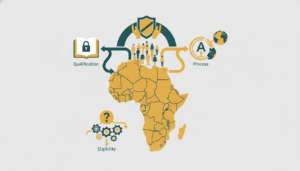
Securing Gates Foundation funding necessitates a thorough understanding of its application process, which is designed to identify projects with the highest potential for impact. The process typically begins with identifying an open call or expressing interest through a letter of inquiry, which means applicants must proactively monitor the foundation’s official channels for relevant opportunities. Eligibility requirements are stringent, often demanding established organizational capacity, a clear track record, and alignment with specific programmatic objectives. Consequently, organizations must meticulously review these criteria before proceeding, as misalignments often result in immediate disqualification. Writing a successful Gates Foundation proposal requires more than just a compelling idea; it demands robust data, a clear theory of change, and a detailed budget. This is because the foundation seeks evidence-based interventions that demonstrate measurable outcomes. For instance, proposals must articulate how the project will address specific health challenges, referencing reliable sources such as the National Institutes of Health (NIH) (Source 1) for contextual data. Therefore, a well-structured narrative that clearly links problem, solution, and impact is critical, directly influencing the outcome of the application.
Steps for Applying for Gates Foundation Grants
- Identify Opportunity: Monitor the Gates Foundation’s website for open grant calls or specific program initiatives.
- Review Eligibility: Carefully assess all Gates Foundation eligibility requirements, including organizational type, geographic focus, and project alignment.
- Submit Letter of Inquiry (LOI): Prepare a concise LOI outlining your project’s concept, objectives, and anticipated impact.
- Develop Full Proposal: If invited, craft a detailed proposal with a comprehensive project plan, budget, and evaluation framework.
- Undergo Review Process: The foundation conducts rigorous internal and external reviews of submitted proposals.
- Receive Decision: Await notification regarding the funding decision, which can take several months.
Aligning with Bill Gates’ Vision for AI Health Initiatives
Bill Gates’ long-standing commitment to global health has expanded significantly into the realm of artificial intelligence, driven by the potential for AI to dramatically accelerate progress in diagnostics, treatment, and equitable access. His vision for AI health initiatives centers on leveraging technology to narrow health disparities between high-income and low-income countries, which means funding prioritizes solutions that are accessible, affordable, and scalable. A prime example of this commitment is the Gates Foundation’s September 2026 announcement of at least $1 billion over the next two years to expand access to AI and AI-enabled solutions globally, with 40% specifically allocated to education, including AI tutoring. This significant investment underscores a clear strategic priority for Gates Foundation funding in AI health. Projects seeking Bill Gates equitable AI funding must therefore demonstrate how their innovations will directly benefit underserved populations, addressing critical gaps in healthcare delivery. For instance, proposals focusing on AI tools for early disease detection in remote areas or personalized learning for health workers align closely with this agenda. The foundation’s emphasis on data-driven solutions and partnerships with leading institutions, such as those engaged in research at the University of Washington (Source 7), further shapes these opportunities. Consequently, understanding this strategic direction is crucial for innovators aiming to secure support for AI health initiatives in 2026 and beyond.
Key Focus Areas in AI Health Initiatives
- Equitable Access: Developing AI solutions that are affordable and accessible to underserved populations globally.
- Disease Diagnostics: Utilizing AI for early and accurate detection of infectious and non-communicable diseases.
- Treatment Optimization: Applying AI to personalize treatments and improve patient outcomes.
- Health System Strengthening: Implementing AI tools to enhance healthcare infrastructure and delivery in low-resource settings.
- AI for Education: Leveraging AI, including tutoring, to improve health literacy and professional development.
Securing Investment from Breakthrough Energy Ventures for Climate Tech
Beyond the philanthropic arms of the Gates Foundation, Bill Gates’ commitment to climate technology innovation is primarily channeled through Breakthrough Energy Ventures (BEV). BEV represents a distinct investment vehicle focused on funding breakthrough technologies that can significantly reduce greenhouse gas emissions, which means its investment strategy is inherently long-term and high-risk, targeting solutions that traditional venture capital might overlook. This approach is driven by the understanding that incremental changes are insufficient to meet global climate goals, consequently demanding investments in foundational technologies across energy, manufacturing, agriculture, and transportation sectors. Companies seeking Breakthrough Energy Ventures climate tech funding must demonstrate not only innovative science but also a clear path to market scalability and substantial emissions reduction potential. Unlike traditional grants, BEV investments are equity-based, reflecting Bill Gates investment strategy philanthropy that blends impact with financial returns. For example, BEV looks for solutions that align with goals set by organizations like the U.S. Department of Energy (DOE) (Source 4) regarding clean energy innovation. Therefore, a compelling pitch must articulate both the technological novelty and the economic viability, as well as the environmental impact, to attract this specialized climate tech funding from Bill Gates’ initiatives. For more detailed insights into these investment strategies, consider exploring resources available on billgates.pk – Climate Tech and AI Health Investing.
Breakthrough Energy Ventures Investment Criteria
- Emissions Reduction Potential: Focus on technologies capable of significantly reducing greenhouse gas emissions.
- Scientific Breakthrough: Invests in truly novel scientific or engineering advancements, not incremental improvements.
- Scalability: Projects must demonstrate potential for widespread adoption and market impact.
- Investment Horizon: Willingness to invest in long-term, high-risk, high-reward ventures.
- Capital Intensity: Supports technologies that often require substantial capital to develop and deploy.
Strategic Priorities: What the Gates Foundation Seeks in 2026
For 2026, the Gates Foundation’s strategic priorities remain firmly rooted in its mission to address global inequities, with a renewed emphasis on innovation and equitable access, which means applicants must demonstrate how their projects contribute to these overarching goals. Key areas include accelerating progress in global health and development, particularly through digital transformation and sustainable solutions. The foundation is increasingly focused on data-driven interventions and partnerships that can create systemic change, consequently prioritizing projects that offer scalable and measurable impact. For example, initiatives that align with the sustainable development goals outlined by the World Health Organization (WHO) (Source 5) are often favored. Bill Gates global problem solving philosophy drives these priorities, pushing for solutions that are not only effective but also adaptable to diverse contexts. Therefore, understanding these Gates Foundation strategic priorities 2026 is crucial for developing proposals that resonate with the foundation’s long-term goals. Applicants must articulate how their work fits into this broader vision, demonstrating a clear understanding of the foundation’s commitment to fostering a world where everyone has the opportunity to lead a healthy, productive life.
Gates Foundation Strategic Priorities for 2026
- Equitable Health Access: Expanding access to health innovations and services in low-income settings.
- Climate Adaptation & Resilience: Supporting communities in adapting to climate change impacts and building resilience.
- Digital Transformation: Leveraging digital tools and AI to enhance program effectiveness and reach.
- Gender Equality: Integrating gender equity across all programmatic areas to empower women and girls.
- Sustainable Development: Promoting long-term, self-sustaining solutions in agriculture, sanitation, and economic growth.
Crafting a Winning Proposal: Tips and Best Practices
Crafting a winning proposal for Gates Foundation funding demands meticulous attention to detail and a strategic approach, which directly impacts the likelihood of success. The foundation seeks clarity, evidence, and alignment with its mission, meaning vague or poorly substantiated claims often lead to rejection. A common mistake in Gates Foundation applications is failing to adequately demonstrate the project’s scalability and sustainability beyond the grant period. Consequently, proposals must clearly outline a plan for long-term impact and financial viability. Furthermore, a strong letter of inquiry (LOI) is crucial, as it serves as the initial gateway to the full application process. This is because the LOI provides a concise overview of your project, compelling the foundation to learn more. Tips for Gates Foundation grant writing include focusing on measurable outcomes, leveraging robust data, and clearly articulating the problem your project solves and why your organization is uniquely positioned to solve it. For example, when discussing environmental impacts, referencing data from the U.S. Environmental Protection Agency (EPA) (Source 3) can significantly strengthen your claims. Therefore, a well-structured narrative, supported by credible evidence and a clear vision for impact, is essential for standing out in a competitive applicant pool.
Tips for a Winning Gates Foundation Proposal
- Clarity and Conciseness: Present your ideas clearly and avoid jargon, especially in the Gates Foundation letter of inquiry guide.
- Evidence-Based Approach: Support all claims with robust data and evidence, demonstrating a deep understanding of the problem.
- Mission Alignment: Explicitly connect your project to the Gates Foundation’s specific strategic priorities and long-term goals.
- Scalability and Sustainability: Outline how your project will achieve widespread impact and continue beyond the grant period.
- Measurable Outcomes: Define clear, measurable indicators of success and a robust evaluation plan.
- Budget Justification: Provide a detailed and realistic budget, justifying all requested funds.
The Impact of Gates Foundation Funding: Success Stories and Future Outlook
The profound impact of Gates Foundation funding is evident in numerous successful projects across global health and development, which demonstrates its commitment to fostering transformative change. From accelerating vaccine development to supporting agricultural innovations that lift communities out of poverty, the foundation’s investments have yielded significant, measurable results. These successful Gates Foundation projects serve as powerful case studies, illustrating the potential for strategic philanthropy to drive progress against complex global challenges. The foundation employs rigorous Gates Foundation impact measurement strategies, which means it continuously evaluates the effectiveness of its grants to ensure accountability and inform future investments. For example, its global health grants have significantly contributed to reducing the burden of diseases like polio and malaria, as evidenced by global health data. Looking ahead, the future outlook for Gates Foundation funding remains focused on leveraging emerging technologies, particularly AI, and fostering collaborative partnerships to amplify its impact. This sustained commitment to innovation and evidence-based solutions suggests continued leadership in addressing pressing global issues, thereby shaping a more equitable and sustainable future.
FAQ
How do I apply for Gates Foundation funding?
To apply for Gates Foundation funding, begin by identifying open grant opportunities or specific program initiatives on their official website. The foundation typically does not accept unsolicited proposals; therefore, monitoring their Grand Challenges or program-specific calls is crucial. Once an opportunity is identified, carefully review the eligibility requirements and submission guidelines. The process often involves submitting a Letter of Inquiry (LOI) first, followed by a full proposal if invited. Meticulous adherence to their specific instructions is essential for a successful application.
What are the Gates Foundation’s current funding priorities?
The Gates Foundation’s current funding priorities for 2026 are primarily focused on global health, global development, and U.S. programs, with an increasing emphasis on equitable access to AI solutions and climate adaptation strategies. Specific areas include infectious disease eradication, maternal and child health, agricultural development, financial inclusion, and K-12 education in the U.S. These priorities are driven by the foundation’s mission to reduce global inequity, consequently seeking scalable and sustainable interventions that address systemic challenges. Aligning your project with these defined areas is critical.
Does the Gates Foundation fund individual projects or organizations?
The Gates Foundation primarily funds established organizations rather than individual projects or researchers directly. This is because the foundation seeks to partner with entities that possess the infrastructure, expertise, and capacity to manage and scale complex initiatives. While individuals may occasionally be part of a larger organizational grant, direct individual funding is rare. Consequently, prospective applicants should represent a legally recognized non-profit, academic, or research institution with a proven track record relevant to the foundation’s programmatic areas.
What is Breakthrough Energy Ventures and how does it invest in climate technology?
Breakthrough Energy Ventures (BEV) is an investment fund founded by Bill Gates that focuses on funding innovative climate technology solutions. Unlike traditional venture capital, BEV has a long-term investment horizon and targets technologies that can significantly reduce greenhouse gas emissions across five grand challenges: electricity, manufacturing, agriculture, transportation, and buildings. It provides equity investments to early-stage companies, consequently supporting high-risk, high-reward ventures that require substantial capital and time to develop and commercialize, aiming for systemic impact rather than quick returns.
How long does the Gates Foundation grant application process take?
The Gates Foundation grant application process can take several months, often ranging from 3 to 9 months, depending on the specific program and complexity of the proposal. This extended timeline is due to a rigorous multi-stage review process, including initial screening, detailed proposal review, due diligence, and internal approvals. Consequently, applicants should plan well in advance, allowing ample time for preparation and potential revisions. Patience and proactive follow-up, where appropriate, are key throughout this comprehensive evaluation period.
What types of organizations does the Gates Foundation typically fund?
The Gates Foundation typically funds a diverse range of organizations including non-profit organizations, academic institutions, research institutes, governmental agencies, and some private sector entities. The foundation prioritizes organizations with a proven capacity to deliver impactful results, strong leadership, and a clear alignment with its strategic objectives in global health, development, and U.S. programs. This focus ensures that investments are channeled through experienced partners capable of executing complex, large-scale initiatives effectively, consequently maximizing philanthropic impact.
How can my project align with Bill Gates’ AI health initiatives?
To align with Bill Gates’ AI health initiatives, your project must focus on leveraging artificial intelligence to address health inequities and improve access to care, particularly in low-resource settings. This means developing AI solutions that are scalable, affordable, and demonstrate clear potential for significant public health impact. Key areas include AI for diagnostics, personalized treatment, health system strengthening, and equitable access to AI-driven health education. Projects should articulate how they contribute to closing health gaps, consequently appealing to Bill Gates’ vision for equitable AI funding, as exemplified by the recent $1 billion commitment announced in September 2026.
Where can I find open grant opportunities from the Gates Foundation?
You can find open grant opportunities from the Gates Foundation by regularly visiting their official website, specifically the ‘Grant Opportunities’ section. This dedicated page lists current ‘Grand Challenges’ calls for proposals, program-specific requests, and information on how to engage with their various initiatives. Subscribing to their newsletters or following their official social media channels can also provide timely updates on new funding opportunities. This proactive monitoring is essential, as the foundation primarily operates through targeted calls rather than accepting unsolicited proposals, thereby guiding applicants to relevant programs.
What is Bill Gates’ long-term vision for climate technology investment?
Bill Gates’ long-term vision for climate technology investment, primarily through Breakthrough Energy Ventures, is to accelerate the development and deployment of foundational technologies that can achieve net-zero greenhouse gas emissions globally. This vision is driven by the understanding that current solutions are insufficient, consequently requiring significant investment in high-risk, high-reward innovations across energy, industrial processes, and agriculture. He seeks to fund technologies with the potential for massive scale and systemic impact, aiming to build a new industrial economy that operates without contributing to climate change, which means a focus on long-term, transformative solutions.
How does the Gates Foundation ensure equitable access to AI solutions?
The Gates Foundation ensures equitable access to AI solutions by prioritizing investments in technologies designed for accessibility, affordability, and utility in low-resource settings. This commitment is demonstrated by its recent $1 billion pledge, with a focus on ensuring AI narrows, rather than widens, the gap between the richest and poorest. The foundation supports projects that build local capacity, integrate AI into existing health and development systems, and address ethical considerations to prevent exacerbating existing inequalities. Consequently, proposals demonstrating a clear strategy for equitable deployment and impact are highly favored, ensuring AI serves global public good.
Limitations & Alternatives: Navigating Funding Challenges
While Gates Foundation funding offers unparalleled opportunities, it is highly competitive and often focuses on specific, large-scale initiatives, which means it may not be suitable for all projects, especially smaller or more nascent ventures. The application process is rigorous and time-consuming, consequently requiring significant organizational capacity. Alternative funding avenues include government grants (e.g., from the National Institutes of Health (NIH) (Source 1) or the U.S. National Science Foundation (NSF) (Source 2)), other philanthropic foundations, impact investors, and traditional venture capital. Diversifying funding applications across multiple sources is a strategic imperative for organizations, thereby increasing overall chances of securing necessary capital. Recognizing these limitations is crucial for developing a realistic and robust funding strategy beyond solely targeting the Gates Foundation.
Conclusion: A Strategic Path to Global Impact Funding
Securing Gates Foundation funding or investment from Breakthrough Energy Ventures represents a significant opportunity for organizations committed to impactful solutions in AI health and climate technology. Success is directly correlated with a deep understanding of Bill Gates’ philanthropic vision and investment philosophy, coupled with a meticulously crafted proposal that aligns with specific strategic priorities. By adhering to the outlined application processes, demonstrating clear project impact and scalability, and leveraging credible data, applicants can significantly enhance their prospects. This strategic roadmap, therefore, empowers innovators to navigate the complex funding landscape effectively, consequently contributing to a future defined by health equity and environmental sustainability.
References
* National Institutes of Health (NIH): https://www.nih.gov/
* U.S. National Science Foundation (NSF): https://www.nsf.gov/
* U.S. Environmental Protection Agency (EPA): https://www.epa.gov/
* U.S. Department of Energy (DOE): https://www.energy.gov/
* World Health Organization (WHO): https://www.who.int/
* University of Washington: https://www.washington.edu/