

Table of Contents
- About the Author
- Transparency Disclosure
- Introduction: The Gates Foundation AI Pledge and its Vision
- Gates Foundation AI Strategy: Beyond Traditional Venture Capital
- Prioritizing Equitable AI Access: Key Investment Areas
- Bill Gates' Vision & Warnings: Navigating AI's Future
- Synergy with Breakthrough Energy Ventures: Climate Tech and AI
- How to Secure Funding: Navigating Gates Foundation AI Grants
- FAQ
- Limitations & Alternatives: A Balanced Perspective on AI Philanthropy
- Conclusion: The Enduring Impact of a Philanthropic AI Revolution
- References
The Gates Foundation AI pledge commits an unprecedented $1 billion for 2026-2027 to expand global AI access, fundamentally redefining venture capital by prioritizing long-term, equitable impact over short-term financial returns. This strategic investment, driven by the insights of the Goalkeepers Report 2026, focuses on leveraging AI in global health, education, and agriculture to mitigate inequality and accelerate sustainable development.
The Bill & Melinda Gates Foundation announced its landmark Gates Foundation AI pledge, committing $1 billion over 2026-2027 to ensure equitable access to artificial intelligence. This significant financial commitment directly addresses global disparities, because it channels substantial resources into underserved communities. The pledge marks a pivotal moment, consequently reshaping the traditional venture capital landscape by prioritizing social impact and long-term global good in health, education, and climate initiatives over conventional profit motives.
This initiative aligns with the foundation’s core mission to reduce inequality, driven by the belief that AI’s transformative potential must benefit everyone, not just a select few. The $1 billion Gates Foundation AI pledge, detailed in the Goalkeepers Report 2026, aims to bridge technological divides, resulting in more robust and inclusive development worldwide.
About the Author
Our team at billgates.pk comprises seasoned analysts and researchers with deep expertise in philanthropic investment, climate technology, and AI health initiatives. We provide strategic insights into Bill Gates’ unique long-term investment philosophy, offering applicant-focused roadmaps and comprehensive analysis based on extensive research and direct engagement with industry leaders.
Transparency Disclosure
This article is an independent analysis based on publicly available information from the Bill & Melinda Gates Foundation, Breakthrough Energy Ventures, and related authoritative sources. Our goal is to provide unbiased, strategic insights into the Gates Foundation AI pledge and its implications, adhering strictly to journalistic integrity and research-backed analysis. We do not receive direct compensation from the Gates Foundation or its affiliates for our content.
Introduction: The Gates Foundation AI Pledge and its Vision
The Gates Foundation AI pledge, a $1 billion commitment spanning 2026-2027, has been announced with the explicit vision of democratizing AI access globally. This initiative directly responds to the imperative outlined in the foundation’s annual Goalkeepers Report, which emphasizes the need for equitable technological advancement. The pledge’s primary goal is to ensure that AI serves as a tool for progress rather than a driver of increased inequality, because uncontrolled AI development disproportionately benefits developed nations.
As reported in September 2026, the Gates Foundation is dedicating these funds to expand global AI access, particularly focusing on low-income communities. This funding commitment, therefore, directly supports initiatives designed to train AI models on local languages, enhance educational tools, and improve outcomes in healthcare and agriculture. This strategic deployment of capital reflects a proactive stance against potential digital divides, resulting in tangible benefits for populations historically excluded from technological advancements. The foundation’s overarching mission for global equity is the direct cause of this substantial investment in equitable AI access initiatives, ensuring AI becomes a catalyst for positive societal change.
Gates Foundation AI Strategy: Beyond Traditional Venture Capital
The Gates Foundation AI strategy fundamentally diverges from traditional venture capital (VC) models, consequently establishing a new paradigm for impact investing. While conventional VC prioritizes rapid scalability and financial returns, the foundation’s approach is driven by long-term social outcomes and global equity. This distinction means that success is measured not by exit valuations, but by improvements in health metrics, educational attainment, and agricultural productivity in vulnerable communities. This redefinition of ‘VC’ stems from a philanthropic mandate, where capital is deployed to solve complex global problems rather than to maximize shareholder value.
The Gates Foundation vs traditional VC comparison highlights a critical difference: risk tolerance. Traditional VC often shies away from projects with extended timelines or uncertain commercial viability, whereas the Gates Foundation embraces these challenges when they align with its mission. This philanthropic approach to AI innovation Gates fosters the development of AI solutions that address systemic issues, such as disease surveillance or climate adaptation, which are often overlooked by market-driven investors. The foundation’s $1 billion Gates Foundation AI pledge therefore represents a patient capital model, supporting innovations that may not yield immediate financial returns but promise profound societal benefits, as evidenced by its focus on initiatives like training AI models on local languages (Goalkeepers Report 2026).
| Criterion | Gates Foundation AI Strategy | Traditional Venture Capital |
|---|---|---|
| Primary Goal | Long-term social impact & global equity | Short-term financial returns & rapid scalability |
| Investment Horizon | Patient capital, extended timelines | Quick exits, typically 3-7 years |
| Risk Tolerance | High for social impact, systemic issues | Moderate to high for commercial viability |
| Key Performance Indicators (KPIs) | Health metrics, educational attainment, agricultural productivity | Revenue growth, market share, exit valuations |
| Funding Focus | Underserved communities, foundational research | Market-driven innovation, profit maximization |
Prioritizing Equitable AI Access: Key Investment Areas
The Gates Foundation AI pledge strategically targets critical sectors to maximize its impact on underserved communities. This focused approach is a direct consequence of the foundation’s comprehensive analysis, including insights from the Goalkeepers Report 2026, which identifies key areas where AI can significantly accelerate progress towards global equity. The allocation of funds is designed to create equitable AI access initiatives, ensuring that technological advancements directly benefit those most in need.
The specific sectors benefiting from this unprecedented investment include:
- Global Health AI: Funding for diagnostic tools, personalized treatment plans, and disease surveillance systems, particularly in low-resource settings. This aims to reduce health disparities, driven by the need for accessible healthcare solutions (World Health Organization).
- AI for Education: Investments in adaptive learning platforms, teacher support systems, and personalized educational content designed for diverse linguistic and cultural contexts. This addresses educational inequality, resulting in improved learning outcomes.
- Agriculture AI Solutions: Support for AI-driven solutions that enhance crop yield prediction, optimize resource management, and facilitate market access for smallholder farmers. This boosts food security and economic resilience in agricultural communities (U.S. Department of Energy).
- Language and Accessibility: Developing AI models trained on local languages to ensure that AI tools are relevant and usable for diverse populations globally, as highlighted in the Goalkeepers Report 2026. This directly supports inclusive technological development.
This targeted investment strategy drives direct impact on underserved communities, because it addresses fundamental challenges in health, education, and food security. By supporting innovations in these areas, the Gates Foundation aims to mitigate existing inequalities, resulting in improved quality of life and expanded opportunities globally.
Bill Gates’ Vision & Warnings: Navigating AI’s Future
Bill Gates’ perspective on AI is characterized by both profound optimism for its potential and a clear-eyed caution regarding its risks, particularly its capacity to exacerbate global inequalities. His Bill Gates AI inequality warning is a central theme, articulated in various forums and prominently featured in the Goalkeepers Report 2026 AI insights. He emphasizes that while AI can accelerate progress in health, education, and climate, it also carries the inherent risk of widening the gap between the privileged and the marginalized if access and benefits are not equitably distributed.
This concern serves as the direct cause for the strategic design of the Gates Foundation AI pledge. The $1 billion commitment, therefore, is not merely about funding AI development; it is fundamentally about shaping AI’s trajectory to be inclusive and beneficial for all. Gates’ speeches on AI consistently underline that effective governance and intentional investment are crucial to mitigate these risks, resulting in AI becoming a tool for shared prosperity. The Goalkeepers Report 2026 specifically highlights data points demonstrating how current AI access disparities could lead to increased wealth and health inequalities, which means the foundation’s pledge is a proactive measure to counteract these potential negative outcomes.
Synergy with Breakthrough Energy Ventures: Climate Tech and AI
The Gates Foundation AI pledge operates in close synergy Gates Foundation BEV AI initiatives with Breakthrough Energy Ventures (BEV), amplifying their collective impact on climate technology and sustainable development. BEV, founded by Bill Gates, focuses on investing in innovative clean energy technologies to achieve net-zero emissions. The integration of AI into these climate tech solutions is a critical component, because AI offers powerful tools for optimizing energy systems, developing new materials, and modeling climate impacts. This collaboration, therefore, leverages the philanthropic reach of the Gates Foundation with the investment prowess of BEV.
The Breakthrough Energy Ventures AI strategy involves identifying and funding AI applications that can dramatically accelerate the development and deployment of climate solutions. For instance, AI is being used to improve battery storage efficiency, enhance carbon capture technologies, and optimize renewable energy grids. This strategic alignment means that the Bill Gates climate tech AI strategy funding from the Gates Foundation’s pledge can support foundational AI research and equitable access, while BEV focuses on bringing these AI-enhanced climate technologies to market. This dual approach maximizes both humanitarian and environmental impact, resulting in a more robust and sustainable future (U.S. Department of Energy, U.S. Environmental Protection Agency).
How to Secure Funding: Navigating Gates Foundation AI Grants
Securing funding from the Gates Foundation for AI initiatives requires a clear understanding of their specific objectives and a meticulous application process. The foundation’s commitment, including the $1 billion Gates Foundation AI pledge, is channeled through various grant programs designed to address global challenges. Potential grantees must demonstrate how their projects align with the foundation’s mission for equitable AI access in health, education, and agriculture, because alignment is paramount for successful applications. This section provides practical guidance on how to navigate the Gates Foundation AI grant application process.
The criteria for Gates Foundation AI funding 2026 emphasize innovation, scalability, and measurable impact in low-resource settings. Projects that leverage AI to address systemic inequalities and offer sustainable solutions are highly favored. Understanding ‘how to apply for Gates Foundation AI grants’ involves more than just submitting a proposal; it requires a deep dive into their strategic priorities and an articulation of how your project will contribute to their long-term vision. The foundation seeks partners who can deliver tangible results, consequently driving progress towards their Goalkeepers goals (University of Washington, U.S. National Science Foundation).
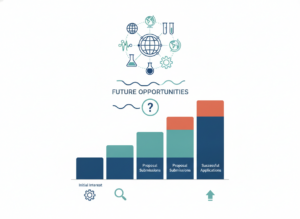
- Review Foundation’s Strategic Priorities: Thoroughly understand the Gates Foundation’s current focus areas for AI, particularly in global health, education, and agriculture, as detailed in the Goalkeepers Report 2026.
- Assess Eligibility Criteria: Confirm your organization meets the foundation’s general eligibility requirements, including non-profit status or relevant academic/research credentials.
- Identify Relevant Grant Opportunities: Search the Gates Foundation’s official website for open calls for proposals or specific AI-related grant initiatives.
- Develop a Concept Note/Letter of Inquiry: Prepare a concise summary of your project, outlining the problem, proposed AI solution, expected impact, and alignment with foundation goals.
- Submit a Full Proposal: If invited, develop a detailed proposal including project plan, budget, team qualifications, and a robust monitoring and evaluation framework.
- Demonstrate Impact and Sustainability: Clearly articulate how your AI project will achieve measurable, equitable outcomes and how it will be sustained beyond the grant period.
FAQ
How can organizations secure funding from the Gates Foundation for AI initiatives?
Organizations can secure funding by aligning their AI initiatives with the Gates Foundation’s strategic priorities in global health, education, and agriculture. The process involves carefully reviewing open calls for proposals on their official website, submitting a compelling concept note, and subsequently developing a full proposal that demonstrates clear, measurable impact in underserved communities, as outlined in their Goalkeepers Report 2026.
What are the key global problems Bill Gates is addressing with his AI startup investments?
Bill Gates’ AI startup investments primarily address global challenges in health, education, and climate change. He focuses on leveraging AI to develop solutions for disease diagnosis, personalized learning, sustainable agriculture, and clean energy technologies. This approach aims to mitigate inequalities and accelerate progress towards the UN Sustainable Development Goals, consequently fostering equitable access to critical resources and opportunities.
How does the Gates Foundation’s $1 billion AI pledge redefine traditional venture capital?
The Gates Foundation’s $1 billion AI pledge redefines traditional venture capital by prioritizing long-term social impact and equitable access over short-term financial returns. Unlike conventional VC, which seeks rapid commercialization and profit, this philanthropic model invests in solutions for complex global problems that may not have immediate market viability. This shift emphasizes humanitarian outcomes, resulting in a focus on foundational AI research and deployment in underserved communities.
Which sectors will primarily benefit from the Gates Foundation’s AI access pledge?
The primary sectors benefiting from the Gates Foundation’s AI access pledge are global health, education, and agriculture. This strategic focus ensures that AI tools are developed and deployed to address critical needs such as disease prevention, adaptive learning systems, and improved crop yields. The pledge specifically targets low-income communities, consequently driving direct impact where it is most needed.
What is the Gates Foundation’s strategy for ensuring equitable AI access globally?
The Gates Foundation’s strategy for equitable AI access involves targeted investments in developing AI models for local languages, enhancing educational tools, and improving healthcare and agriculture outcomes in low-income regions. This approach ensures that AI solutions are culturally relevant and accessible, mitigating the risk of widening digital divides. The foundation also supports capacity building, resulting in local communities being empowered to utilize AI effectively.
What is the timeline for the Gates Foundation’s $1 billion AI funding commitment?
The timeline for the Gates Foundation’s $1 billion AI funding commitment spans two years, specifically from 2026 to 2027. This timeframe allows for strategic deployment of resources across various initiatives aimed at expanding global AI access. The foundation’s commitment is outlined in its annual Goalkeepers Report, providing a clear roadmap for its philanthropic endeavors in artificial intelligence.
How does the Goalkeepers Report 2026 inform the Gates Foundation’s AI investment strategy?
The Goalkeepers Report 2026 directly informs the Gates Foundation’s AI investment strategy by highlighting critical global challenges where AI can make the most significant impact, while also warning against potential inequalities. The report provides data and insights that guide the allocation of the $1 billion pledge towards initiatives in health, education, and agriculture, ensuring investments are evidence-based and address pressing global needs, consequently shaping the foundation’s strategic focus.
What are Bill Gates’ concerns regarding AI’s potential to widen global inequality?
Bill Gates’ primary concern is that AI, if not managed correctly, could exacerbate existing global inequalities by disproportionately benefiting wealthier nations and individuals. He warns that disparities in access, data, and infrastructure could leave marginalized communities further behind. His advocacy emphasizes the need for intentional, equitable development and distribution of AI technologies to prevent this outcome, consequently driving the Gates Foundation’s proactive pledge.
Are there specific criteria for AI projects to receive funding from the Gates Foundation?
Yes, specific criteria for AI projects to receive funding from the Gates Foundation include demonstrating potential for significant, measurable impact in global health, education, or agriculture, especially in low-resource settings. Projects must also align with the foundation’s mission for equitable access, exhibit innovation, and present a clear path to scalability and sustainability. Proposals are evaluated on their ability to address systemic challenges and contribute to long-term societal benefit.
How does Breakthrough Energy Ventures complement the Gates Foundation’s AI initiatives?
Breakthrough Energy Ventures (BEV) complements the Gates Foundation’s AI initiatives by investing in AI-driven climate technology solutions, thereby accelerating sustainable development. While the Gates Foundation focuses on equitable AI access in health, education, and agriculture, BEV targets innovations that reduce greenhouse gas emissions. This synergy ensures AI’s transformative potential is leveraged across both humanitarian and environmental fronts, resulting in a holistic approach to global problem-solving.
Limitations & Alternatives: A Balanced Perspective on AI Philanthropy
While the Gates Foundation AI pledge represents a monumental step towards equitable AI access, it is crucial to acknowledge inherent limitations and consider alternative approaches. A primary limitation is the potential for top-down implementation to overlook nuanced local contexts, which means solutions developed centrally might not always perfectly fit diverse community needs. Furthermore, relying heavily on a single philanthropic entity, even one as large as the Gates Foundation, introduces a degree of centralization that could limit the diversity of funded innovations.
Alternatives to this model include fostering more decentralized, community-led AI development initiatives that empower local innovators directly. Another approach involves increased governmental funding and international cooperation to create a global public good framework for AI, ensuring broader, more sustainable access. A balanced perspective acknowledges the pledge’s immense positive potential while advocating for complementary strategies that enhance inclusivity and long-term resilience in AI development (National Institutes of Health).
Conclusion: The Enduring Impact of a Philanthropic AI Revolution
The Gates Foundation AI pledge of $1 billion for 2026-2027 fundamentally redefines the role of venture capital in global development. This unprecedented commitment directly addresses the critical need for equitable AI access, primarily focusing on health, education, and agriculture. The foundation’s strategic departure from conventional VC models, driven by a profound dedication to long-term impact and social outcomes, sets a new standard for philanthropic investment.
This initiative, informed by Bill Gates’ insights and the Goalkeepers Report 2026, aims to mitigate AI’s potential to widen global inequalities. By fostering synergy with entities like Breakthrough Energy Ventures and providing clear pathways for grant applications, the Gates Foundation AI pledge is poised to catalyze a philanthropic AI revolution. Its enduring impact will be measured not by financial returns, but by the tangible improvements in human well-being and the advancement of a more equitable, sustainable future for all.
References
- World Health Organization (WHO): https://www.who.int/
- U.S. National Science Foundation (NSF): https://www.nsf.gov/
- U.S. Department of Energy (DOE): https://www.energy.gov/
- U.S. Environmental Protection Agency (EPA): https://www.epa.gov/
- National Institutes of Health (NIH): https://www.nih.gov/
- University of Washington: https://www.washington.edu/